
How Long Does It Take to Tint Car Windows?
Tinting car windows is a popular option for many car owners, providing various benefits such as privacy, protection from harmful UV rays, and improved aesthetics. However, one common question people have is how long the tinting process takes. Let's explore this topic further:
1. How long does it typically take to tint car windows?
Tinting car windows typically takes around 2 to 4 hours, depending on various factors such as the number of windows, the type of tint film used, and the experience of the installer. It is important to note that this is an estimate, and the actual time may vary.
- Factors that may affect the tinting process duration:
- Number of windows: If a vehicle has more windows, it will naturally take longer to tint all of them.
- Type of tint film: Different types of tint films have varying installation techniques, which might affect the time required.
- Experience of the installer: An experienced installer who is skilled in the tinting process may complete the job more efficiently.
2. Can the tinting process be completed faster?
While it is crucial to allow sufficient time for the tinting process to ensure high-quality results, there are a few factors that can potentially speed up the process:
- Efficient and experienced installer: Choosing a reputable tinting professional with expertise in the field can help expedite the process.
- Advanced tinting techniques: Some tinting workshops may utilize advanced techniques or equipment to streamline the tinting process.
- Preparation: Ensuring the vehicle is clean and ready for the tinting process before arriving at the workshop can help save time.
3. How long should I wait before rolling down my windows after tinting?
After the tinting process, it is important to wait for the film to properly adhere before rolling down the windows. As a general guideline, it is recommended to wait at least 2-3 days before operating the windows, depending on the weather conditions. It is advisable to consult with the installer for specific instructions related to the tint film used.
4. Does the weather affect the tinting process time?
Yes, weather conditions can impact the tinting process. Extreme temperatures, high humidity, or direct sunlight can affect the drying time of the tint film adhesive. It is best to schedule the tinting process during moderate weather conditions to ensure optimal results.
5. Can I wash my car immediately after tinting?
It is generally recommended to wait for a few days before washing the vehicle to allow the tint film adhesive to fully dry and cure. Washing the car too soon may lead to premature damage or peeling of the tint film. It is advisable to follow the specific guidelines provided by the installer.
6. Does the type of tint film affect the installation time?
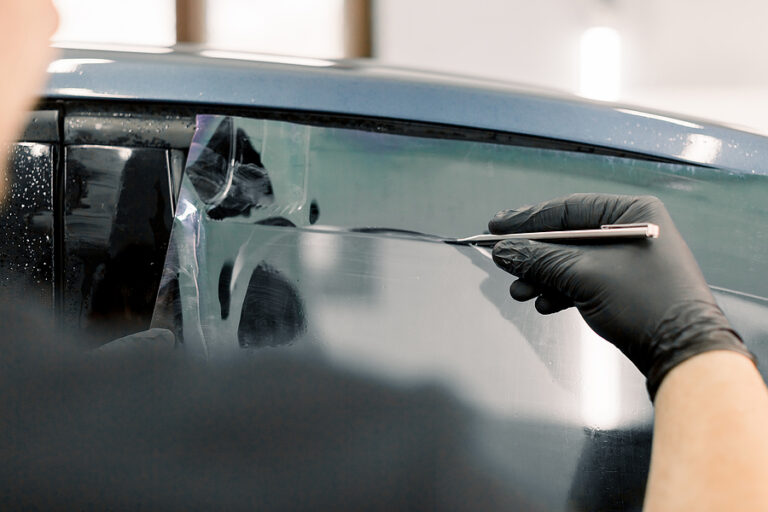
Yes, different types of tint films can impact the installation time due to variations in their properties and installation techniques. Some types of tint films may require additional steps, such as heat molding or special adhesives, which could influence the overall installation duration. It is recommended to consult with the installer to understand the specific requirements of the chosen tint film.
- Factors to consider when selecting a tint film:
- Visible Light Transmission (VLT): The percentage of light allowed through the tint film affects privacy and legal compliance.
- UV and Infrared Rejection: High-quality tint films can offer superior protection against harmful UV rays and heat.
- Durability and Warranty: Different tint films may vary in terms of durability and the warranty provided by the manufacturer.
7. Can I tint my car windows myself?
Tinting car windows is a precise process that requires skill and expertise. While there are DIY tinting kits available, it is generally recommended to seek professional assistance. Professional installers have the necessary tools, experience, and knowledge to ensure a proper installation with the desired results. DIY tinting may lead to subpar outcomes, such as bubbling, peeling, or even legal issues due to improper tint darkness levels.
8. How long does tint film last?
The lifespan of tint film can vary depending on several factors, including the quality of the film, climate conditions, and how well it is maintained. On average, high-quality tint films can last anywhere from 5 to 10 years or even longer with proper care. Regular cleaning with non-abrasive materials and avoiding harsh chemicals can help prolong the life of the tint film.
9. Does the darkness of the tint film affect its durability?
The darkness of the tint film does not necessarily affect its durability. However, it is important to comply with local tint darkness regulations to avoid any legal issues. Darker tint films may absorb more heat, which can have an impact on the overall cooling efficiency of the vehicle's air conditioning system.
10. Can I remove the tint film myself?
While it is possible to remove the tint film yourself, it can be a time-consuming and challenging task. Tint film removal typically involves using heat, adhesive removers, and careful peeling. It is recommended to consult with a professional tinting specialist who can safely and efficiently remove the tint film without damaging the windows.
11. Are there any alternatives to traditional tint films?
Yes, there are alternative options available besides traditional tint films:
- Ceramic window tint: Ceramic tint films provide excellent heat rejection, UV protection, and clarity. They are known for their durability and can be more expensive than regular tint films.
- Window tint sprays: Window tint sprays are applied directly to the glass surface. They can provide some level of tinting but may not offer the same heat rejection or longevity as tint films.
- Removable tint decals: Removable tint decals are temporary solutions that can be easily applied or removed. They allow for customization and privacy but do not provide the same level of heat and UV protection.
12. How much does car window tinting cost on average?
The cost of car window tinting can vary depending on multiple factors, including the size of the vehicle, the number of windows, the type of tint film chosen, and the location. On average, window tinting can range from $100 to $600 or more. It is advisable to request quotes from different tinting professionals and compare their services and pricing.
In conclusion, the duration of the tinting process can take around 2 to 4 hours, depending on various factors. It is important to consult with an experienced professional, follow the recommended waiting time before operating the windows, and ensure proper care and maintenance of the tint film to enjoy its benefits for years to come.