
How Much Does Car Window Tinting Typically Cost?
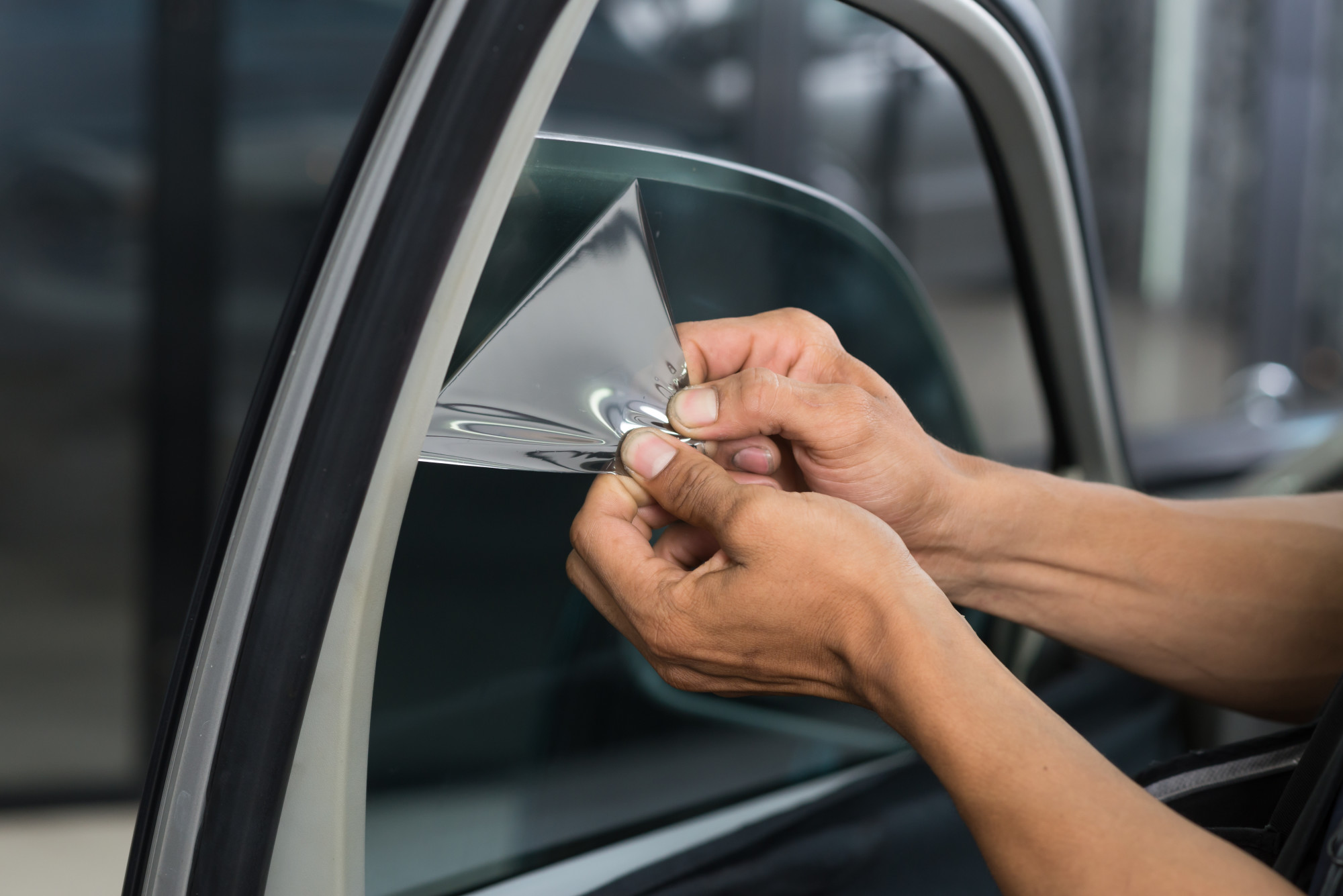
Car window tinting prices can vary depending on several factors. The cost typically depends on the type of vehicle, the number of windows being tinted, the quality of the tinting material, and the window tinting laws in your area.
An expert in car window tinting explains the cost breakdown:
- Vehicle Type: - The size and shape of the windows in different vehicle types affect the time and effort required to apply the window tint, thereby influencing the cost. Smaller vehicles, such as sedans, tend to have a lower cost compared to larger vehicles like SUVs or vans. - Number of Windows: - The more windows you want to tint, the higher the overall cost will be. Each window requires labor and materials, so a vehicle with more windows will naturally cost more to tint. - Quality of Tinting Material: - The quality of the tinting film plays a significant role in the cost. Higher-quality films offer better heat and UV ray protection, increased durability, and better aesthetic appeal. These premium films generally come at a higher price point. - Local Regulations: - Window tinting laws and regulations can vary from one jurisdiction to another. Some areas allow darker tints on certain windows, while others have restrictions. Compliance with local laws may affect the choices and pricing options available to you. To get a better estimate of the cost, it is recommended to consult with a professional window tinting service in your area. They will consider your specific requirements and provide you with an accurate quote based on the factors mentioned above.How Much Does Window Tinting Cost?
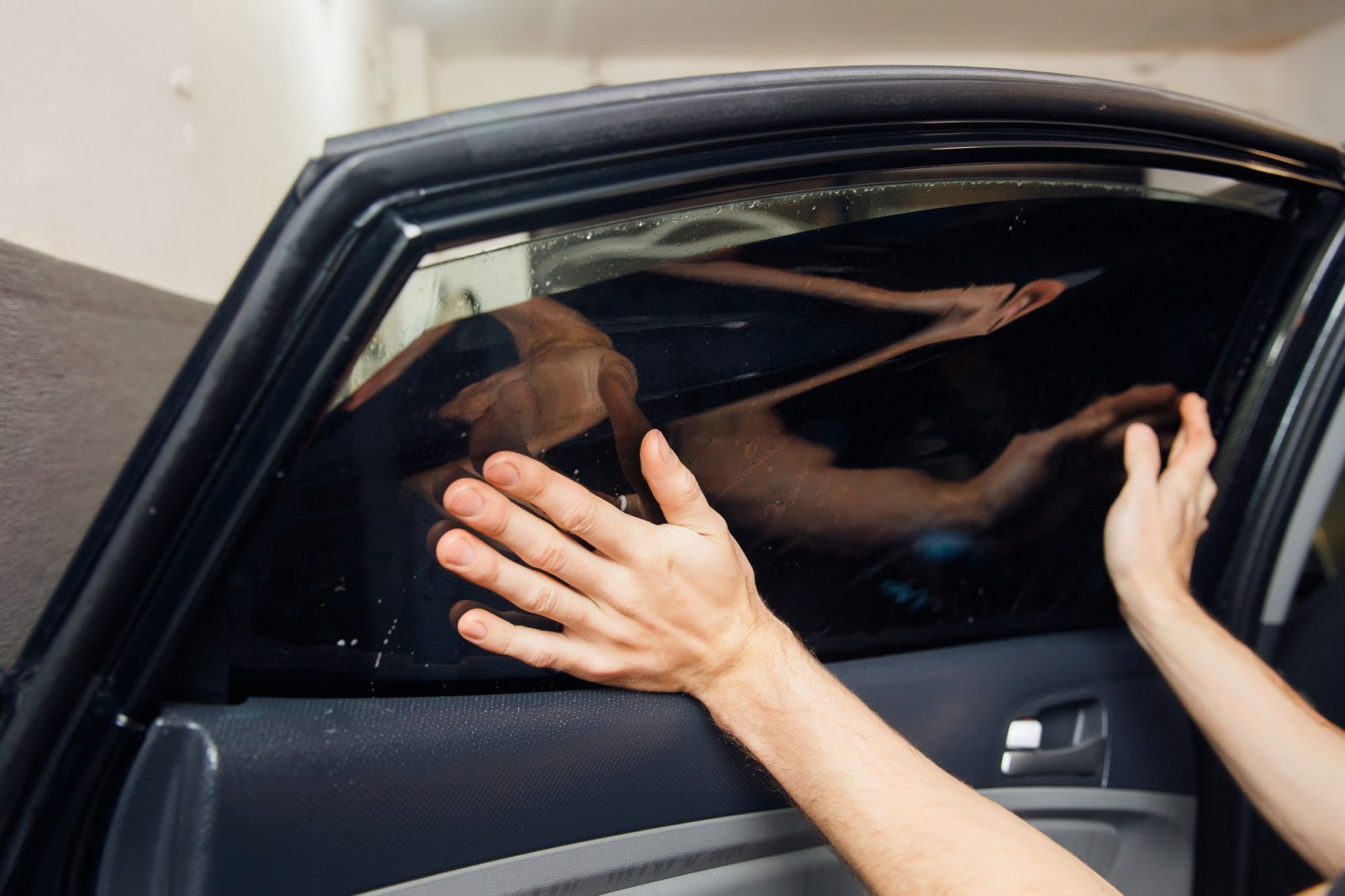
The cost of window tinting for your car depends on various factors like the type of tint, number of windows, vehicle size, and additional services required. To give you a general idea of the cost range, let's take a closer look:
- Type of Tint: - The type of window tint you choose influences the cost. There are different types available, such as dyed film, metallic film, carbon film, and ceramic film. Each type offers unique benefits and comes at a different price point. - Number of Windows: - The number of windows you wish to tint affects the overall cost. Some people prefer tinting all windows, including the front windshield and rear windshield, while others opt for specific windows. Tinting additional windows will increase the cost. - Vehicle Size: - The size and shape of your vehicle play a role in determining the cost. Smaller vehicles generally have fewer windows and require less material and labor, resulting in a lower cost compared to larger vehicles. - Additional Services: - If you want additional services like removing old tint, adding decorative film, or opting for a higher shade percentage, these factors will affect the final price. It is important to note that the prices can vary widely depending on your location and the specific window tinting provider. To get an accurate quote, reach out to a professional window tinting service in your area and discuss your requirements.FAQs - Common Questions about Window Tinting
1.Will window tinting increase the temperature inside my car?
Window tinting can actually help reduce the temperature inside your car. High-quality tint films can block a significant amount of heat from entering the vehicle, keeping it cooler and more comfortable. The extent of heat reduction will depend on the quality of the film and its ability to reflect or absorb heat.
2.Does window tinting provide any UV protection?
Yes, window tinting provides UV protection. Many window tint films are designed to block harmful UV rays from the sun. This not only helps protect your skin from sun damage but also helps prevent fading and damage to the car's interior upholstery.
3.Can I tint my car windows myself?
Tinting car windows yourself can be a challenging task, especially if you have no prior experience. It requires precision, specialized tools, and knowledge of local regulations. It is advisable to seek professional window tinting services to ensure a high-quality installation and compliance with legal requirements.
4.Will window tinting affect my visibility while driving?
When installed correctly, window tinting should not significantly affect visibility. However, it's crucial to choose the appropriate shade and ensure that the windows meet legal requirements in your area. Professional window tinting services can help you make informed decisions regarding tint shade to maintain optimal visibility.
5.How long does window tinting last?
The lifespan of window tinting depends on various factors, including the quality of the film and the installation. Higher-quality tint films can last anywhere from 10 to 15 years or more with proper care. It is essential to follow the manufacturer's guidelines for maintenance to extend the lifespan of the tint.
6.Can window tinting be removed?
Yes, window tinting can be removed if desired. However, the complexity of the removal process can vary depending on the type of tint and how it was originally installed. It is best to consult with professionals for safe and effective tint removal to avoid damaging the windows.
7.Is it legal to tint car windows in all states?
Window tinting laws vary from state to state, and it's essential to comply with local regulations. Each state has specific laws regarding the acceptable shade percentage on different windows. Consulting with a professional window tinting service in your area will ensure compliance with the laws while enjoying the benefits of window tinting.
8.Can window tinting protect my car's interior from fading?
Window tinting can help protect your car's interior from fading due to sun exposure. The tint film blocks a significant amount of harmful UV rays that can cause fading and damage to upholstery, dashboard, and other surfaces. High-quality tint films provide better UV protection, extending the lifespan of your car's interior.
9.Do I need to clean or maintain my window tint?
Maintaining window tint involves proper care and cleaning. You should avoid using abrasive cleaners or sharp objects that could scratch the tint film. Mild soap and a soft cloth or sponge are recommended for cleaning. Regular maintenance helps preserve the appearance and longevity of your window tint.
10.Can window tinting help with privacy and security?
Window tinting can enhance privacy by reducing the visibility from the outside. It makes it more difficult for others to see inside your vehicle, adding a layer of security and protecting your belongings. However, it's important to follow local regulations and avoid excessively dark tints that may obstruct visibility for law enforcement.
11.Are there any benefits to using ceramic window tint?
Ceramic window tint offers several benefits, including exceptional heat reduction, UV protection, and increased visibility. It is known for its durability, clarity, and ability to block a high percentage of infrared heat. Ceramic tint may cost more upfront, but its long-term advantages make it a popular choice among car owners.
12.Can window tinting affect the functioning of electronic devices in the car?
In most cases, properly installed window tint will not interfere with the functioning of electronic devices inside the car. However, it is advisable to choose a professional and experienced window tinting service that takes precautions to avoid any interference with device signals. Discussing your concerns with the tinting provider can alleviate any potential issues.
Wrapping Up
Car window tinting cost can vary based on numerous factors, including the type of vehicle, number of windows, tinting material quality, and local regulations. It is recommended to consult with professional window tinting services to get accurate quotes and expert advice tailored to your specific needs.
Window tinting provides various benefits like heat reduction, UV protection, increased privacy, and enhanced aesthetics. Considering the frequently asked questions and seeking expert guidance will help you make informed decisions about window tinting for your car.